

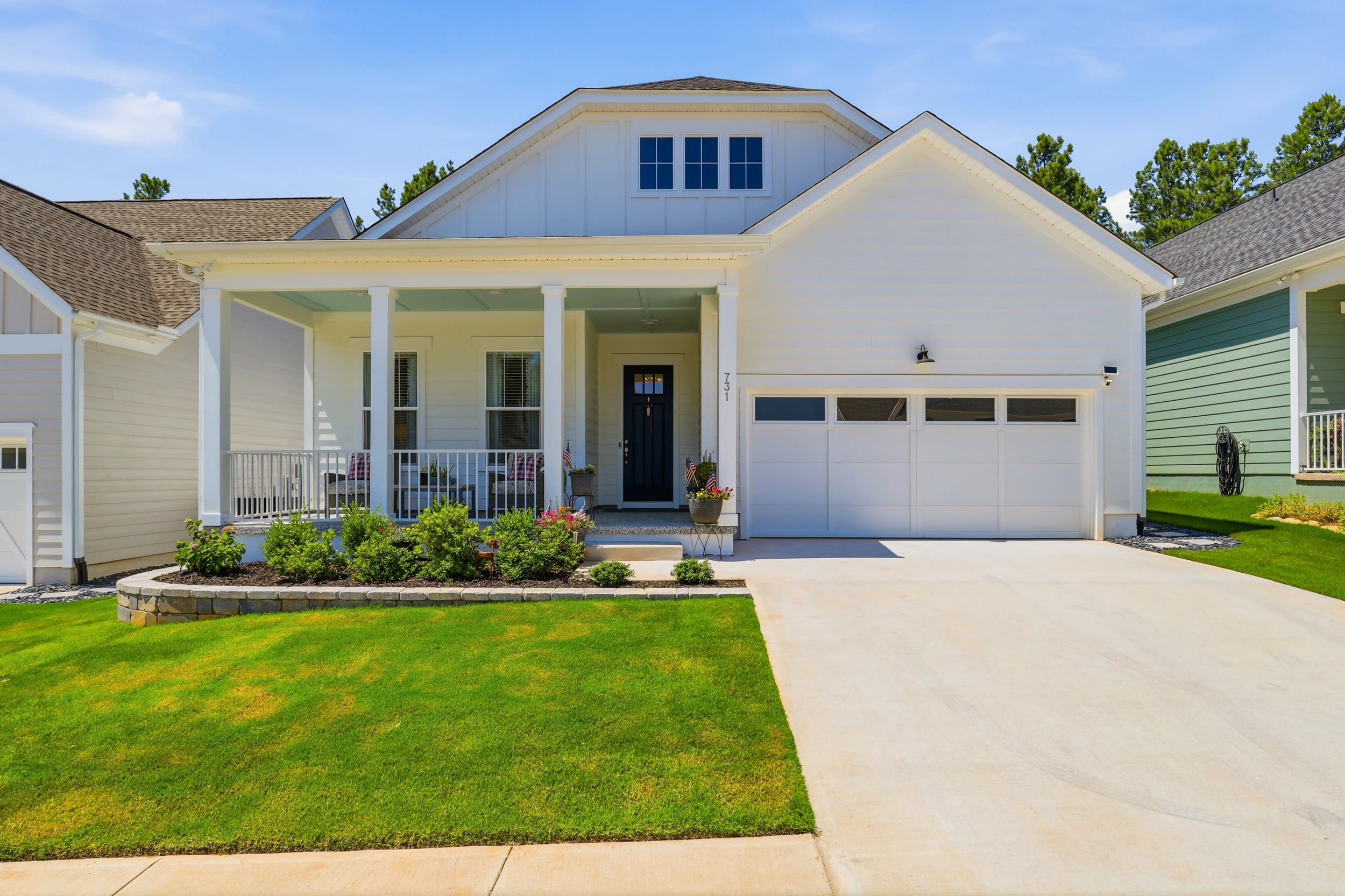
The House Picks the Buyer. Here's What That Means for You.
If you've ever wondered why some homes sell in days and others sit for months even when they look similar on paper, the answer usually isn't the house. It's the price.
Bill has walked enough buyers through enough homes to know a pattern that holds true almost every time: people decide with their gut, then build the case for that decision with their head. A buyer walks in, and within the first few minutes, they already know how they feel. Everything that happens after that, the questions about the kitchen, the second look at the backyard, the conversation in the car afterward, is really just them explaining a decision they already made.
That matters more than most sellers realize, because it means the price has to be right before a buyer ever gets the chance to fall for the house.
Showings Are Your Report Card
Here's a simple way to think about it. If your home is priced where it should be, you'll see steady showing activity and offers within a normal window. If showings are slow or buyers are walking through and not following up, that's not bad luck. That's the market telling you something about price.
It's easy to take that personally, especially when you know what you put into the home. But buyers aren't comparing your house to the memories you have in it. They're comparing it to every other option in their search, and they're doing that math fast, often before they've even scheduled a showing.
Why the Cabinets Don't Save an Overpriced House
This is the part sellers hear the least and need to hear the most: if the price is wrong, nothing else fixes it. Not the countertops, not the landscaping, not the fact that the roof is five years old. A buyer who has already decided the price feels off will find a reason to justify walking away, and it's rarely the real reason.
Bill's approach has always been to bring the numbers to the conversation early, not after a home has already sat on the market for weeks. Knowing where similar homes have sold, how quickly they moved, and what buyers in this market are actually responding to gives you a real answer instead of a guess.
What This Means for You
None of this is about talking you into a lower number than you're comfortable with. It's about making sure the number you choose is one the market will actually respond to, so your home sells on your timeline instead of sitting and waiting for the market to catch up to it.
If you're thinking about what your home might be worth in today's market, that's a conversation worth having before you list, not after.
Check out this article next