
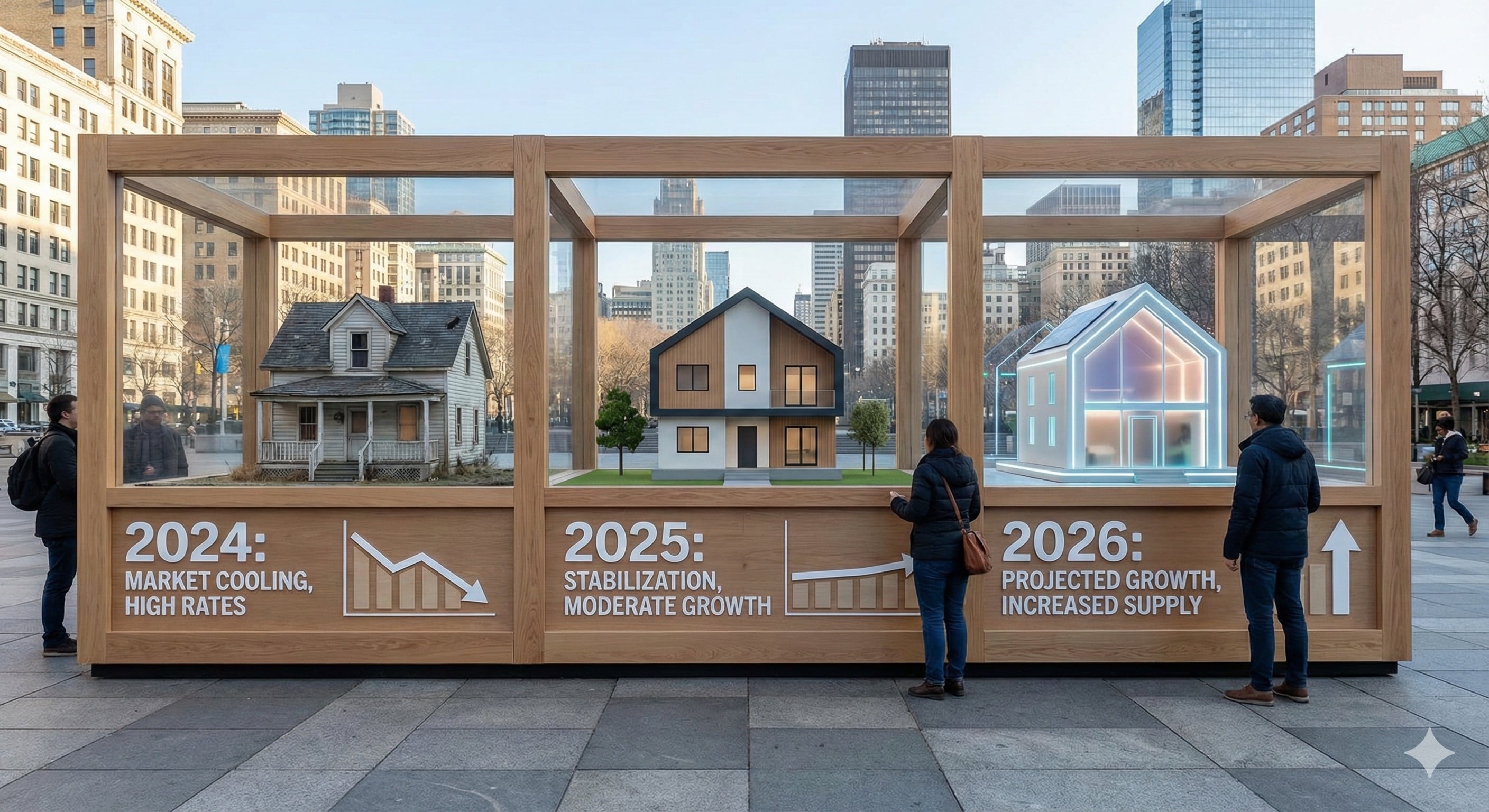
The Greenville real estate market shifted in ways that caught many homeowners off guard between 2024 and 2025, with changes that directly affect property values in Five Forks and Simpsonville. While some neighborhoods saw homes selling faster than expected, others experienced longer wait times that surprised both buyers and sellers. These fluctuations weren't random - they followed specific patterns tied to measurable data that reveals the true health of our local market. Understanding these trends becomes essential when you're considering whether to list your home or start house hunting in the coming months. This analysis breaks down four critical metrics that tell the complete story of how our area performed - total units sold, average home sale prices, days properties spent on the market, and the gap between listing prices and final sale amounts. Each of these numbers provides a piece of the puzzle that helps explain why some homes in your neighborhood sold quickly while others lingered, and why certain price ranges saw more activity than others. The data reveals opportunities that many homeowners miss simply because they don't know where to look or how to interpret the signals. By examining these specific measurements side by side, you'll gain clarity about market timing, pricing strategies, and what buyers actually want right now in Five Forks and Simpsonville. What patterns emerge when we compare these two years, and how might they influence your next real estate decision?
Market Performance at a Glance
Transaction volumes between these two years reveal a compelling shift that many homeowners didn't anticipate. Closed sales Increased by 10% to 1,439 homes sold, demonstrating that buyer activity remained robust despite changing market conditions. This growth occurred while the local market transformed from a fast-paced seller's environment into something more balanced, creating new opportunities for both sides of every transaction.
Impact of Increased Inventory
More properties entered the market as homeowners decided to sell, with new listings climbing 21.9% to 2,324 units. This surge created a ripple effect that fundamentally altered how buyers and sellers approach their decisions. The total number of homes available climbed 45.2%, reaching 6,601 units, giving prospective buyers significantly more options than they had the previous year. Competition among sellers intensified as properties now compete for attention in ways that weren't necessary when inventory remained tight. Buyers gained negotiating power they hadn't experienced in recent years, while sellers discovered that pricing strategy and home presentation became critical factors in attracting offers. This inventory expansion didn't crash the market - instead, it restored balance that benefits everyone involved in real estate transactions.
Steady Sales Growth
Despite modest price adjustments, transaction activity maintained its upward momentum throughout the comparison period. The median sales price increased 2.9% to $323,000, showing that demand remained strong enough to support gradual appreciation. Homes continued selling at a reasonable pace, taking approximately 54 days to close deals, which represents stability rather than stagnation. Buyers appreciated having more time to make informed decisions without the pressure of bidding wars that characterized previous market conditions. Sellers found that properly priced homes still attracted multiple offers, though the frenzied competition of earlier years gave way to more thoughtful negotiations. This growth pattern suggests that the market matured rather than declined, creating sustainable conditions for long-term stability.
Positioning your property correctly becomes essential in this environment where buyers have genuine choices. Sellers who understand current market dynamics can still achieve their goals by focusing on competitive pricing and superior presentation. Buyers benefit from expanded inventory while still seeing their investments appreciate at a healthy rate, making this an opportune time for both groups to achieve their real estate objectives.
Price Trends and Buyer Behavior
Homeowners who watched their property values climb dramatically in recent years now face a different financial reality as appreciation rates normalize across Five Forks and Simpsonville. The median home sale price reached $323,000 in 2025, representing a modest 2.9% gain that signals the end of the explosive growth period that characterized earlier market cycles. This adjustment brings welcome stability for families planning their next move, whether they're looking to upgrade, downsize, or enter homeownership for the first time.
Median Home Sale Price Changes
Property values in our area followed the national forecast predicts a 2% to 4% increase pattern, aligning with broader economic trends that favor sustainable growth over speculative bubbles. The $9,000 increase from the previous year's median demonstrates that homes continue building wealth for owners while remaining within reach for qualified buyers. Neighborhoods in Five Forks experienced particularly steady appreciation, with established communities maintaining their desirability among families seeking quality schools and convenient access to Greenville's employment centers. Simpsonville properties showed similar resilience, benefiting from ongoing infrastructure improvements and commercial development that enhance long-term value prospects.
Influence on Buyer Interest
Pricing strategies directly shaped how quickly properties attracted serious offers throughout the comparison period. Homes priced within 5% of comparable sales generated multiple inquiries within the first two weeks, while those exceeding market expectations by 10% or more often required price reductions to stimulate activity. Buyers demonstrated increased selectivity, taking time to evaluate options rather than rushing into decisions driven by fear of missing out. This shift created opportunities for well-prepared purchasers to negotiate favorable terms, including inspection contingencies and closing cost assistance that weren't available during peak competition periods.
List-to-Sale Price Ratio
Sellers achieved approximately 97% of their asking price on average, down from the near-100% ratios seen in previous years when bidding wars were common. This adjustment reflects a more balanced negotiation environment where both parties can reach mutually beneficial agreements. Properties that sold closest to their listing price shared common characteristics - accurate initial pricing based on recent comparable sales, excellent condition requiring minimal repairs, and strategic marketing that highlighted unique features. Successful sellers often consulted local market data before listing, ensuring their expectations aligned with current buyer preferences and financing capabilities.
Monitoring these pricing dynamics helps homeowners time their decisions effectively, whether they're preparing to list their current property or searching for their next home. The spring and summer months are projected to bring increased buyer activity, creating seasonal opportunities for sellers who position their properties competitively in advance.
Days on Market and Selling Strategies
Properties in Five Forks and Simpsonville spent an average of 54 days on the market during 2025, representing a significant shift from the rapid-fire sales cycles that characterized 2024. This extended timeline reflects the increased inventory levels and more deliberate buyer behavior that emerged as market conditions normalized. Sellers who adapted their approach to this new reality found success by focusing on presentation and strategic timing rather than relying on scarcity to drive quick offers.
Effective staging techniques can dramatically reduce the time your home sits on the market while attracting more qualified buyers. These proven methods help properties stand out in a competitive environment where purchasers have expanded choices:
- Remove personal items and excess furniture to create spacious rooms that allow potential buyers to envision their own belongings in the space
- Apply fresh neutral paint colors throughout main living areas to appeal to the broadest range of tastes and preferences
- Deep clean all surfaces including baseboards, light fixtures, and windows to ensure your home makes an excellent first impression
- Invest in professional photography that captures your property's best features and lighting conditions for online listings
- Stage key rooms like the master bedroom and living room with minimal, tasteful furniture arrangements that highlight functionality
- Address minor repairs such as squeaky doors, loose handles, or scuffed walls before showing the property
- Enhance curb appeal through landscaping, power washing, and fresh mulch to create an inviting exterior presentation
Buyers now take approximately three to four weeks longer to make purchasing decisions compared to the previous year's rushed timeline. This extended evaluation period stems from increased confidence that desirable properties won't disappear overnight, allowing families to thoroughly assess neighborhoods, school districts, and commute patterns before committing. Successful sellers recognize this behavioral shift and maintain their properties in show-ready condition for extended periods rather than expecting immediate offers.
Scheduling flexibility becomes crucial when accommodating the more methodical approach that characterizes current buyer behavior. Properties that remain available for multiple showings throughout different times of day and week attract more serious interest than those with restrictive viewing windows. Smart sellers also prepare detailed information packets about utility costs, recent improvements, and neighborhood amenities that help buyers make informed comparisons between competing properties. This preparation demonstrates professionalism while addressing the thorough research process that defines modern home shopping habits.
Neighborhood Spotlight on Five Forks and Simpsonville
Five Forks attracts families with its master-planned communities and proximity to top-rated schools, while Simpsonville draws buyers seeking small-town charm with big-city conveniences. Both areas experienced distinct shifts during the market comparison period, creating unique opportunities for residents considering their next real estate move. Five Forks maintained its reputation as a premier destination for executive homes and new construction, while Simpsonville emerged as an attractive option for first-time buyers and those seeking more affordable entry points into quality neighborhoods.
Buyer interest in Five Forks remained consistently strong throughout 2025, driven by the area's excellent school districts and newer housing stock. Properties in established subdivisions like Chanticleer and Pelham Hall commanded premium prices, with homes regularly selling above $400,000 despite the broader market's price moderation. The community's appeal extends beyond housing quality to include recreational amenities, walking trails, and convenient access to major employers along the I-385 corridor. New construction continued at a steady pace, though builders adjusted their timelines to match the more measured buyer demand. Luxury features became standard expectations rather than premium upgrades, with buyers seeking energy-efficient systems, smart home technology, and open floor plans that accommodate modern lifestyles.
Simpsonville's real estate activity reflected the area's growing recognition as an affordable alternative to more expensive Greenville suburbs. The historic downtown revitalization project attracted young professionals and empty nesters who appreciate walkable neighborhoods with local restaurants and shops. Home values in established neighborhoods like Heritage Hills and Woodfin Ridge appreciated steadily while remaining accessible to middle-income families. The city's ongoing infrastructure improvements, including road widening projects and utility upgrades, enhanced property values across multiple subdivisions. Buyers discovered that Simpsonville offers shorter commutes to downtown Greenville than many realize, making it particularly attractive for those working in the city center.
Navigating these local markets requires specific strategies tailored to each area's characteristics and buyer preferences:
- Research school district boundaries carefully since both areas contain multiple districts with varying ratings and reputations
- Schedule home tours during different times of day to assess traffic patterns and noise levels from nearby highways
- Compare HOA fees and restrictions between communities, as these vary significantly and affect long-term ownership costs
- Investigate planned developments in surrounding areas that might impact future property values and neighborhood character
- Consider resale potential when choosing between newer construction and established homes with mature landscaping
- Evaluate utility costs for different home sizes and ages, as energy efficiency varies considerably between properties
Working with local agents who specialize in these specific neighborhoods provides access to off-market opportunities and insider knowledge about upcoming listings. Many successful transactions occur through professional networks before properties appear on public listing sites, giving connected buyers first access to desirable homes.
Expert Insights and Predictions
Professional analysts who study regional housing patterns recognize that localized data often contradicts national assumptions, particularly in markets like Greenville where economic fundamentals remain strong despite broader uncertainties. These specialists examine employment growth, population migration patterns, and infrastructure development to form their assessments, rather than relying solely on price movements or sales volume statistics. Their methodical approach provides homeowners with grounded expectations based on measurable factors that influence long-term property values.
Economic Perspectives on Current Conditions
Housing economists point to Greenville's diversified job market as a stabilizing force that differentiates the area from regions dependent on single industries. The presence of major employers across manufacturing, healthcare, and technology sectors creates sustained demand for housing across multiple price ranges. These professionals note that mortgage rate fluctuations impact buyer behavior more significantly than local economic conditions, suggesting that financing costs drive short-term market activity while employment stability supports long-term appreciation. Regional specialists emphasize that Greenville's population growth continues attracting new residents who need housing, creating baseline demand that prevents dramatic market corrections.
2026 Market Projections
Forecasting models suggest that prices rose just over 4% in recent analysis, indicating sustainable growth patterns that benefit both current homeowners and prospective buyers. Analysts expect inventory levels to normalize gradually throughout 2026, creating conditions where qualified buyers can find suitable properties without the intense competition that characterized earlier periods. Interest rate stabilization should encourage more homeowners to list their properties, as the rate differential between existing mortgages and new loans becomes less prohibitive. Professional forecasters anticipate that new construction activity will increase to meet demand, though supply chain improvements and labor availability will determine the pace of delivery.
Strategic Decision Framework
Real estate professionals recommend that sellers focus on accurate pricing strategies rather than testing market limits, since buyers now have sufficient options to comparison shop effectively. Those considering purchases benefit from pre-approval processes that demonstrate serious intent while providing clarity about affordable price ranges. Market timing becomes less critical when inventory levels support thoughtful decision-making, allowing both buyers and sellers to negotiate from positions of knowledge rather than urgency. Professional guidance helps identify neighborhoods with strong fundamentals that support long-term value retention, particularly important for families planning to remain in their homes for extended periods.
Consulting with local market specialists provides access to neighborhood-specific data that general market reports cannot capture, helping homeowners understand micro-trends that affect their particular area. These professionals track absorption rates, pending sales ratios, and seasonal patterns that influence optimal timing for listing or purchasing decisions.
Final Thoughts
The Greenville real estate market data reveals meaningful shifts between 2024 and 2025 across four critical metrics - total units sold, average home sale prices, days on market, and list-to-sale price ratios. These numbers tell a story that directly impacts Five Forks and Simpsonville homeowners making property decisions.
Understanding these trends gives you solid ground for your next move. Whether you're considering selling your current home or buying in the area, these metrics remove guesswork from your planning. The data shows market momentum, buyer behavior patterns, and pricing dynamics that affect your property's value and marketability.
This information becomes particularly valuable when timing your decisions. Market conditions influence everything from how quickly your home might sell to what price you can reasonably expect. For buyers, these trends indicate competition levels and negotiation opportunities in the Five Forks and Simpsonville markets.
The evolving Greenville real estate market continues adapting to economic factors, population growth, and buyer preferences. Each metric we've examined connects to real financial outcomes for homeowners in your area. Price trends affect equity building, while days on market influence your selling timeline and carrying costs.
Use these insights to shape your real estate strategy. Connect with local real estate professionals who understand these market nuances. Review your property goals against current conditions. Whether you're planning to buy, sell, or hold, let this data guide your timing and expectations. Your next real estate decision deserves the advantage of understanding where the market stands and where it's headed.
Check out this article next